Nepal
Nepal Tourism Guide – Explore the Land of the Himalayas
Nepal, often called the Land of the Himalayas, is a country of breathtaking landscapes, ancient culture, and spiritual richness. Nestled between India and China, Nepal is home to some of the world’s highest mountains, including Mount Everest, and offers a unique mix of adventure, culture, and natural beauty.
Nepal is much more than just a trekking destination. Its cities, towns, and rural landscapes offer a blend of heritage sites, bustling markets, serene lakes, sacred temples, and friendly communities. Travelers come here for trekking, mountaineering, cultural exploration, wildlife experiences, and spiritual journeys.
Essential Facts About Nepal for Travelers
Culture and Traditions in Nepal
Nepal is a cultural mosaic, home to multiple ethnic groups, including Newar, Gurung, Magar, Tharu, and Sherpa. Hinduism and Buddhism are the main religions, shaping daily life, festivals, and architecture.
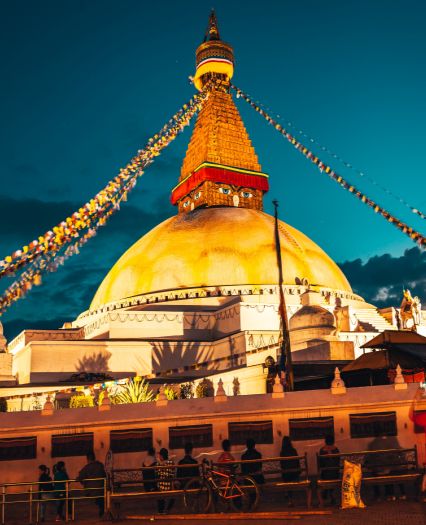
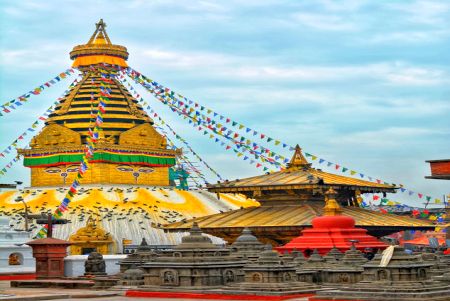
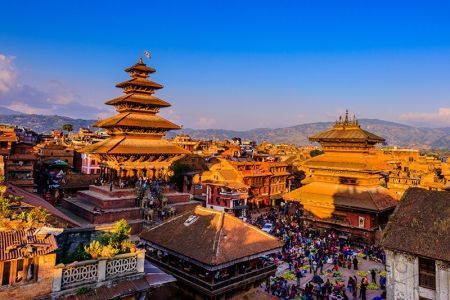
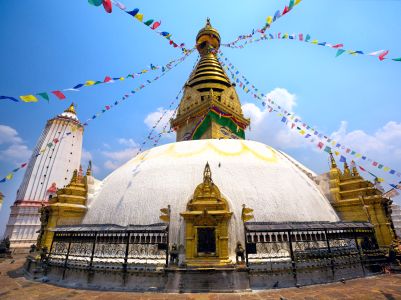
Temples, stupas, and monasteries are scattered across the country, with Kathmandu, Patan, and Bhaktapur in the valley boasting centuries-old architecture and UNESCO World Heritage Sites. Festivals like Dashain, Tihar, Holi, Indra Jatra, Buddha Jayanti, and local harvest festivals provide travelers with colorful and immersive cultural experiences. Nepali cuisine is hearty and flavorful, with dishes like dal bhat (lentil rice), momo (dumplings), and gundruk (fermented greens) widely enjoyed. Traditional music, dances, and handicrafts form an important part of the local lifestyle, offering visitors opportunities for cultural immersion.
Top Tourist Destinations in Nepal
- Kathmandu Valley: Home to the capital city Kathmandu, the valley is rich in UNESCO heritage sites, temples, stupas, and bustling markets. Swayambhunath, Boudhanath, Pashupatinath, and Durbar Square are must-visits.
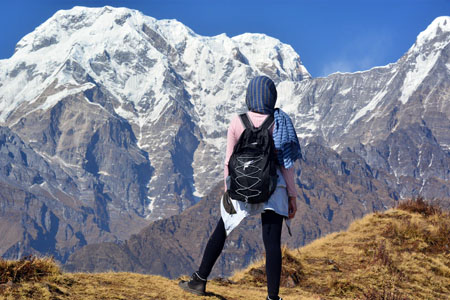
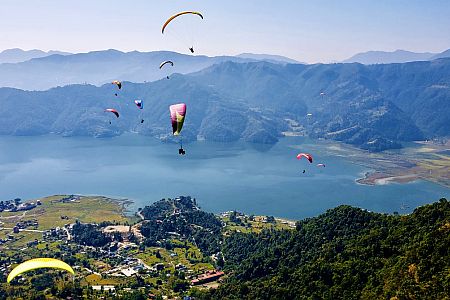
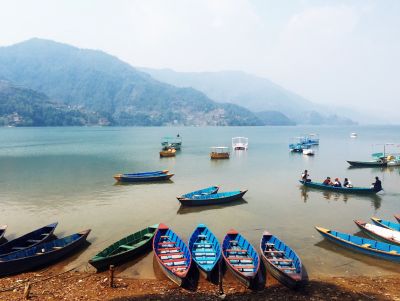
- Pokhara: A hub for adventure tourism and natural beauty, Pokhara is famous for Phewa Lake, Sarangkot sunrise, paragliding, trekking, and waterfalls. It is also the gateway to the Annapurna trekking region.
- Lumbini: The sacred birthplace of Lord Buddha, Lumbini is a major pilgrimage site. Visitors can explore monasteries, temples, and the Maya Devi Temple within a serene, spiritual environment.
- Chitwan National Park: A haven for wildlife enthusiasts, Chitwan offers safaris to see rhinos, tigers, elephants, and exotic birds, along with jungle walks and canoe trips.
- Everest Region: Home to Mount Everest, Namche Bazaar, and trekking routes like Everest Base Camp, this area attracts mountaineers and adventure seekers from around the world.
- Bhaktapur and Patan: Medieval towns known for ancient palaces, traditional Newari architecture, temples, and pottery, offering cultural experiences away from the bustle of Kathmandu.
Best Time to Visit Nepal
- Spring (March to May): Ideal for trekking, clear mountain views, and blooming rhododendrons.
- Autumn (September to November): The most popular season with stable weather, vibrant festivals, and clear skies.
- Winter (December to February): Cool temperatures, fewer tourists, and excellent visibility of the Himalayas.
- Monsoon (June to August): Green landscapes, flowing rivers, and waterfalls; trekking can be challenging due to heavy rainfall.
Unique Experiences in Nepal
- Trekking and mountaineering in Annapurna, Everest, and Langtang regions.
- Adventure sports: paragliding, zip-lining, rafting, bungee jumping, and mountain biking.
- Wildlife safaris in Chitwan and Bardia National Parks.
- Cultural immersion through festivals, cooking classes, and artisan visits.
- Lakeside relaxation in Pokhara with boating, yoga, and meditation.
- Spiritual journeys visiting Lumbini, monasteries, and Himalayan meditation retreats.
Practical Travel Tips for Nepal
- Visa and Entry: Many nationalities receive a visa on arrival at airports and border crossings; some require prearranged visas.
- Currency: Nepalese Rupee (NPR); ATMs are widely available in cities.
- Transport: Taxis, buses, domestic flights, and private vehicles are common; mountain roads can be slow and winding.
- Safety: Nepal is generally safe; exercise caution during trekking and outdoor adventures.
- Health: Drink bottled water, carry altitude sickness medication for high treks, and follow safety instructions for adventure sports.
Frequently Asked Questions About Nepal
1. Is Nepal safe for tourists?
Ans: Yes, Nepal is generally safe for travelers. Trekking and adventure activities should follow local guidelines for safety.
2. How many days should I spend in Nepal?
Ans: A 7–10 day trip is ideal to explore Kathmandu, Pokhara, and nearby attractions. Longer trips allow trekking or wildlife safaris.
3. What is the best time to visit Nepal?
Ans: Spring (March–May) and autumn (September–November) are the best seasons for trekking, sightseeing, and clear mountain views.
4. Can I trek in Nepal without prior experience?
Ans: Yes, beginner-friendly treks like Ghorepani Poon Hill and Dhampus Trek are accessible with local guides.
5. Are adventure activities available in Nepal?
Ans: Absolutely. Nepal offers trekking, mountaineering, paragliding, rafting, bungee jumping, zip-lining, and mountain biking for adventure seekers.