Vietnam
Vietnam Tourism Guide – A Journey Through Culture and Nature
Vietnam is a captivating travel destination in Southeast Asia, known for its rich history, diverse landscapes, vibrant cities, and world-famous cuisine. Stretching from the mountains of the north to the tropical beaches of the south, Vietnam offers travelers a wide variety of experiences, including ancient towns, bustling cities, lush rice fields, limestone karsts, and scenic coastlines.
What makes Vietnam especially appealing is its balance of tradition and modern life. You can explore centuries-old temples in the morning, enjoy street food in lively markets by afternoon, and relax on peaceful beaches or cruise through dramatic natural scenery by evening. Vietnam is also considered one of the most affordable and traveler-friendly countries in Asia, making it popular among backpackers, families, and cultural explorers.
Essential Facts About Vietnam for Travelers
Culture and Traditions of Vietnam
Vietnamese culture is deeply influenced by Confucianism, Buddhism, and Taoism, shaping daily life, social values, and traditions. Respect for elders, family bonds, and community harmony are central to Vietnamese society. Traditional art forms include water puppetry, folk music, and silk weaving, which can be experienced in cultural shows and rural villages. Festivals such as Tet (Vietnamese New Year), the Mid-Autumn Festival, and the Hung Kings’ Temple Festival are colorful celebrations that reflect Vietnam’s cultural heritage.
Vietnamese cuisine is globally admired for its fresh ingredients, balance of flavors, and healthy cooking style. Must-try dishes include pho, banh mi, bun cha, spring rolls, and Vietnamese coffee.
Top Tourist Attractions in Vietnam
- Hanoi: The capital city blends French colonial architecture, ancient temples, lakes, and vibrant street life. Key attractions include the Old Quarter, Hoan Kiem Lake, and Temple of Literature.
- Ha Long Bay: A UNESCO World Heritage Site famous for limestone karsts, emerald waters, and scenic cruises. Overnight boat cruises are highly recommended.
- Hoi An: A beautifully preserved ancient town known for lantern-lit streets, historic houses, tailor shops, and riverside charm.
- Ho Chi Minh City: Vietnam’s largest city offers historical landmarks, museums, markets, nightlife, and modern shopping centers.
- Sapa: A mountain region in northern Vietnam famous for rice terraces, trekking, and ethnic minority villages.
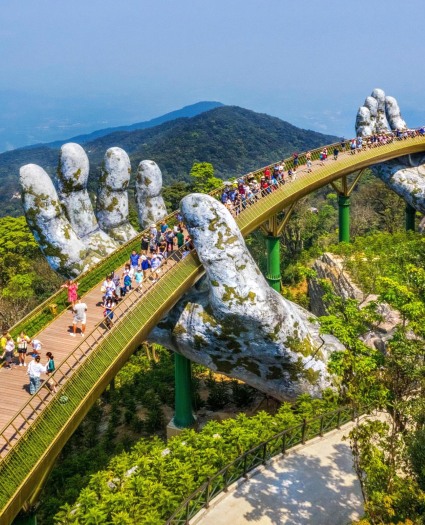
- Da Nang: A coastal city known for clean beaches, Marble Mountains, and proximity to Hoi An.
- Nha Trang & Phu Quoc: Popular beach destinations offering resorts, snorkeling, diving, and island relaxation.
Best Time to Visit Vietnam
- March to April: Pleasant temperatures and lower humidity across most regions.
- September to November: Comfortable weather, fewer tourists, and scenic landscapes.
- December to February: Best for southern Vietnam and beach destinations.
- May to August: Hot and rainy in many areas but suitable for budget travel.
Vietnam’s long geography means weather can vary significantly between regions, so trip planning is important.
Unique Experiences in Vietnam
- Cruise through Ha Long Bay on a traditional junk boat.
- Explore lantern-lit streets of Hoi An in the evening.
- Take a street food tour in Hanoi or Ho Chi Minh City.
- Trek through rice terraces in Sapa.
- Visit historical sites related to Vietnam’s war history.
- Relax on tropical beaches in Phu Quoc or Nha Trang.
- Enjoy Vietnamese coffee culture, including egg coffee and drip coffee.
Practical Travel Tips for Vietnam
- Visa and Entry: Many travelers can apply for a Vietnam e-visa online before arrival.
- Transport: Domestic flights, trains, buses, and taxis make travel easy between cities.
- Currency: Vietnamese Dong (VND); cash is commonly used, though cards are accepted in cities.
- Safety: Vietnam is generally safe; watch out for traffic and petty theft in crowded areas.
- Health: Stay hydrated, use sunscreen, and be cautious when crossing busy roads.
Frequently Asked Questions About Vietnam
1. Is Vietnam safe for tourists?
Ans: Yes, Vietnam is considered safe, with friendly locals and a strong tourism infrastructure.
2. How many days are enough to explore Vietnam?
Ans: 10–14 days allow you to experience major cities, cultural sites, and natural attractions.
3. What is Vietnam most famous for?
Ans: Vietnam is famous for its food, Ha Long Bay, historic cities, war history, and natural beauty.
4. Is Vietnam suitable for family travel?
Ans: Yes, Vietnam offers family-friendly destinations, cultural experiences, and affordable travel options.
5. Do I need a visa to visit Vietnam?
Ans: Most travelers require an e-visa, which is easy to apply for online.