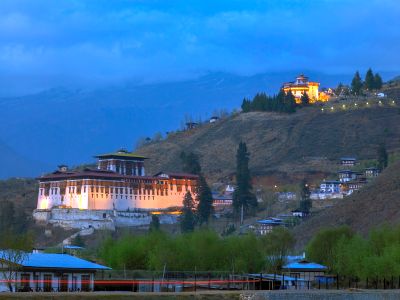
Dragon City tour
Phuentsholing - Thimphu - Paro
Duration
6 Days
Tour Type
Tour Package
Group Size
Min. 2 persons
Location
Bhutan
Inclusions
Accommodation on twin/Double Sharing Basis.
All the room are based category
Meal Plan (as per mentioned above)
Exclusive Non a/c vehicle for transfers & sightseeing. Please note that vehicle will not be at disposal it
will be available to guest as per itinerary only (point to point basis).
All permit fees & hotel taxes (as per itinerary).
Rates are valid for INDIAN NATIONALS only.
Exclusions
Air Fare / Train fare.
Personal Expenses such as Laundry, telephone calls, tips & gratuity, mineral water, soft & hard drinks, boating, rafting, rock climbing, paragliding, joy ride (Toy Train), porterage.
Additional sightseeing or extra usage of vehicle, other than mentioned in the itinerary.
Entrance Fees & Guide charges.
Any cost arising due to natural calamities like, landslides, road blockage, political disturbances (strikes), etc (to be borne by the client, should be is directly payable on the spot).
Any increase in taxes or fuel price, leading to increase in cost on surface transportation & land arrangements, which may come into effect prior to departure.
Room Heater Charges
Insurance.
Anything which is not included in the inclusion.
GST & TCS Extra
Itinerary
FAQs
Do I need a visa to travel to Bhutan?
What is the Sustainable Development Fee (SDF)?
How do I get to Bhutan?
When is the best time to visit Bhutan?
Is it mandatory to book through a tour operator?
How long should I stay in Bhutan?
What kind of accommodation can I expect?
Is trekking in Bhutan safe and possible for beginners?
What is Bhutanese cuisine like?
What should I pack for Bhutan?
Are there restrictions on photography?
What currency is used in Bhutan?
Is Bhutan safe for tourists?
Do I need travel insurance?
Can I use the internet and mobile services in Bhutan?
Tour Location

Travel and Package Info
- Booking & Confirmation
- Bookings are confirmed only upon receipt of the required deposit.
- Full payment must be made before the specified deadline to avoid cancellation.
- Failure to pay the balance on time may result in cancellation without refund.
- Pricing
- Prices are quoted in INR and are subject to change without prior notice due to changes in taxes, fuel surcharges, exchange rates, or other unforeseen circumstances.
- The package price includes only those services specifically listed.
- Inclusions & Exclusions
- Inclusions typically cover transportation, accommodation, sightseeing, entry tickets, and meals as mentioned in the itinerary.
- Exclusions may include personal expenses, visa fees, travel insurance, and optional tours.
- Cancellations & Refunds
- Cancellation charges apply as per the schedule shared at the time of booking.
- Refunds, if applicable, will be processed within 20 days after cancellation, less any applicable charges.
- Changes by the Traveler
- Any changes requested after confirmation may incur additional charges.
- Changes are subject to availability and operator approval.
- Changes by the Tour Operator
- The operator reserves the right to modify the itinerary, accommodation, or transportation due to unforeseen circumstances (weather, strikes, etc.).
- Any such change will be communicated promptly, and alternatives of equal value will be provided.
- Travel Documents
- Travelers are responsible for carrying valid Aadhar card, passports, visas, vaccination certificates, and any other required documents.
- Insurance
- Travel insurance is highly recommended and may be mandatory for some packages.
- The operator is not liable for any loss, injury, accident, or damage not covered under insurance.
- Liability Disclaimer
- The tour operator is not responsible for any delays, injuries, losses, damages, or expenses due to natural disasters, political unrest, flight cancellations, or other events beyond their control.
- Health & Fitness
- Travelers should ensure they are physically fit for the tour. Certain packages may not be suitable for those with health conditions or mobility issues.
- Conduct & Behavior
- Travelers are expected to behave respectfully. Any misconduct may result in removal from the tour without refund.
- Complaints & Disputes
- Any complaints should be reported immediately during the tour.
- Disputes shall be governed by the laws of Delhi and subject to the exclusive jurisdiction of courts in Delhi.
Extra prices:
- {{total_price_html}}
- {{pay_now_price_html}}