India is a land of contrasts—where centuries-old architecture meets a fast-paced modern lifestyle, and royal grandeur shares space with everyday chaos. One of the best ways to experience this incredible diversity in a short span of time is by exploring the Golden Triangle—Delhi, Agra, and Jaipur—and then topping it off with a taste of India’s most dynamic city: Mumbai.

Delhi: The Gateway to India
My journey began in Delhi, India’s capital and a city of striking contrasts. In one moment, I was weaving through the buzzing alleys of Old Delhi, with their tangled wires and endless food stalls, and the next, I found myself standing in front of majestic monuments like Humayun’s Tomb and Qutub Minar, wrapped in calm silence.
There’s something about Delhi that feels layered—like every street corner has a story to tell. The colonial-era architecture of New Delhi, the vibrant chaos of Chandni Chowk, and the tranquil green lawns surrounding India Gate—it all blends together to form a city that is both overwhelming and unforgettable.
 Agra: In the Shadow of the Taj
From Delhi, I made my way to Agra, the city synonymous with the Taj Mahal. No matter how many times you've seen it in pictures, nothing prepares you for seeing it in person. I arrived early in the morning, and as the sun rose behind it, the white marble glowed with a soft golden hue—it was pure magic.
But Agra isn’t just the Taj. The Agra Fort, with its sprawling courtyards and towering walls, told stories of emperors and dynasties. In the bustling bazaars nearby, I watched artisans work on marble inlay designs using traditional techniques passed down for generations. Agra, to me, was a living museum—with moments of quiet awe balanced by the noise and pulse of modern life.
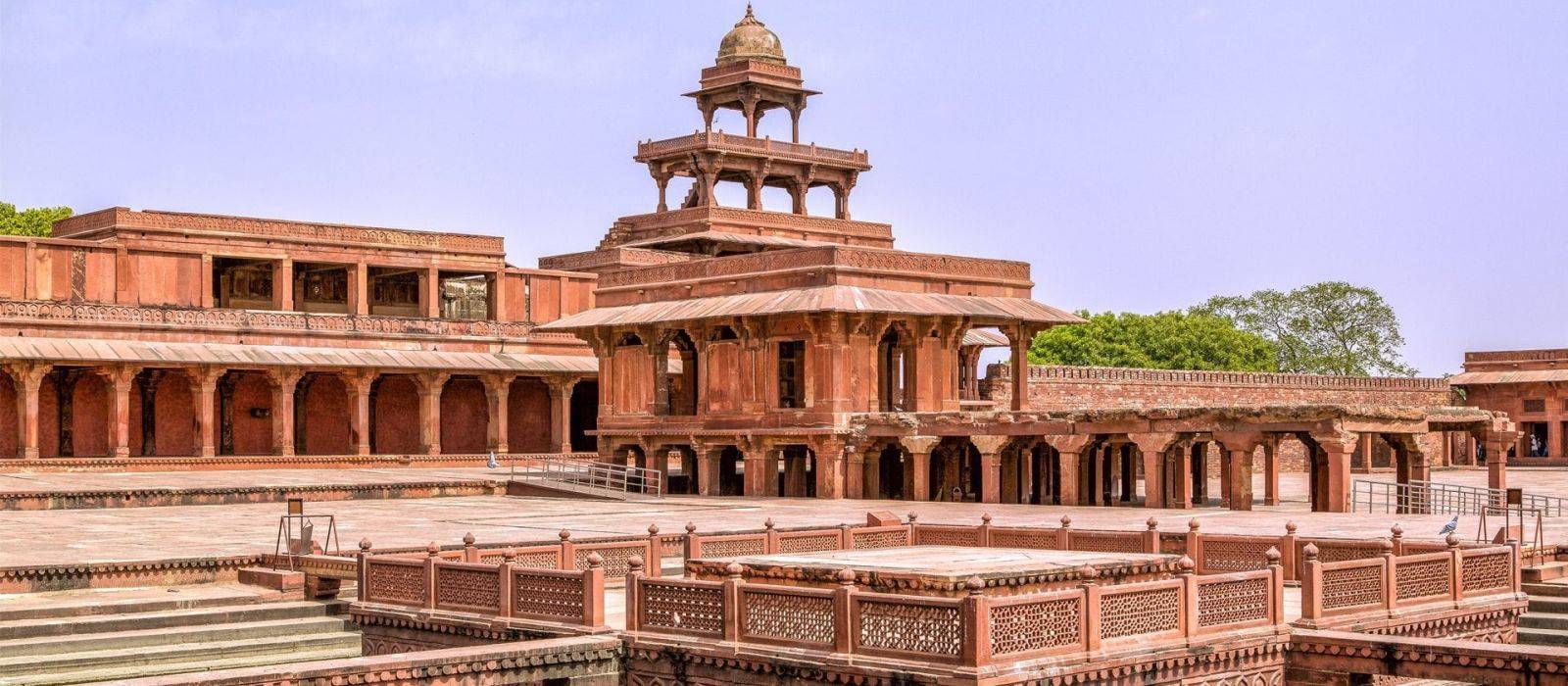 Fatehpur Sikri and the Road to Jaipur
On the way to Jaipur, I stopped at Fatehpur Sikri, the once-glorious Mughal capital that now stands abandoned. Walking through its empty courtyards, I could almost hear the echoes of royal meetings and grand ceremonies that once filled these halls. It felt like a place frozen in time.
As I continued my journey toward Jaipur, the terrain shifted, and so did the atmosphere. The roads grew more colorful, dotted with camels, painted trucks, and roadside stalls selling everything from chai to bangles.
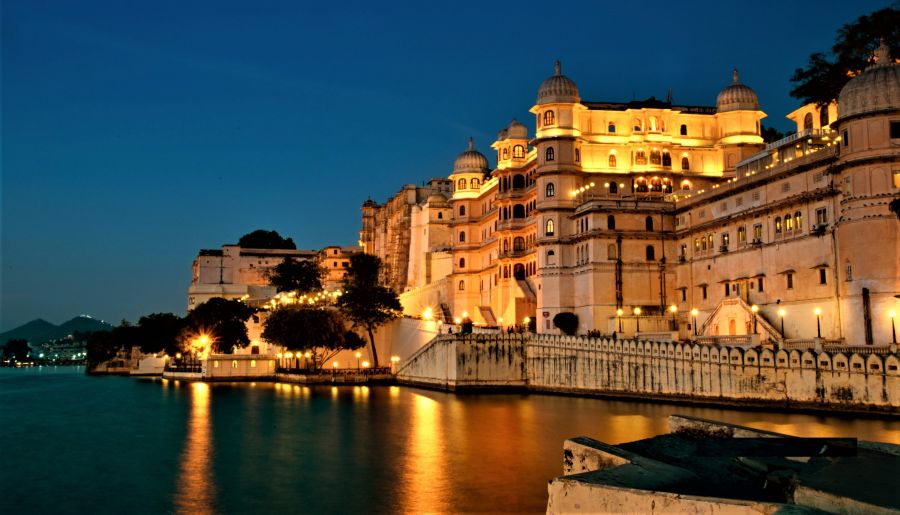
Jaipur: The Regal Pink City
Arriving in Jaipur was like stepping into a fairytale. The city’s buildings, painted in warm shades of pink, glowed under the Rajasthani sun. But Jaipur isn’t just beautiful—it’s majestic.
At Amber Fort, I stood where kings once stood, marveling at the mirror halls and stone carvings that looked as intricate as lace. The City Palace offered another taste of royal life, and from the delicate windows of Hawa Mahal, I imagined the queens who once watched processions below in silence.
The markets were alive with color and sound. I wandered through stalls filled with embroidered textiles, silver jewelry, and fragrant spices. And when I sat down to a traditional Rajasthani meal—dal baati churma, spicy ker sangri, and a generous helping of ghee—I felt like I was tasting history.
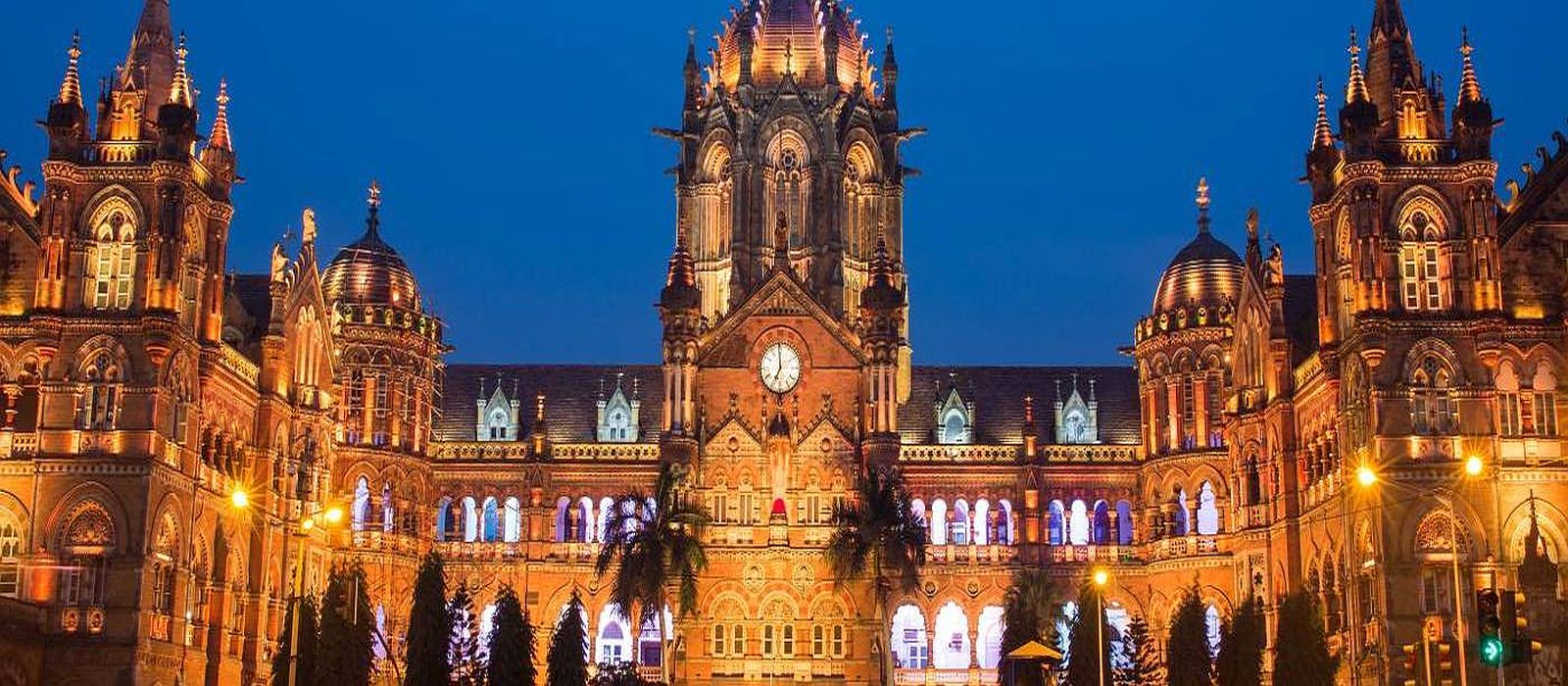 Mumbai: The City That Never Sleeps
After the regal calm of Jaipur, I flew to Mumbai, and instantly, the contrast hit me. Where Jaipur was deliberate and ornate, Mumbai was fast and electric. The skyline here is a jumble of colonial facades and glass towers, and every street seems to pulse with life.
Marine Drive, with its sweeping curve along the Arabian Sea, gave me a rare moment of peace in the city. But elsewhere, Mumbai never paused. From the buzzing cafés of Colaba to the organized chaos of Dhobi Ghat, the city felt like a never-ending performance.
Still, Mumbai has its moments of quiet beauty. At Mani Bhavan, I traced the footsteps of Mahatma Gandhi. At Chhatrapati Shivaji Maharaj Terminus, I admired the Gothic architecture as waves of commuters rushed past. And watching the sun sink into the sea from the Hanging Gardens, I understood why people fall in love with this city. It’s not just the pace—it’s the people, the contradictions, and the resilience.
A Journey of Contrasts and Connections
What makes this journey so powerful isn’t just the famous landmarks. It’s the shifts between cities, between eras, between emotions. From the Mughal elegance of Agra to the royal pride of Jaipur, from the structured chaos of Delhi to the buzzing creativity of Mumbai—this trip is India, condensed.
The Golden Triangle with a Touch of Mumbai is more than a travel route. It’s a narrative—a story of emperors and independence, tradition and transformation. And for anyone looking to experience India’s heart and hustle in one unforgettable sweep, it’s the perfect path to follow.